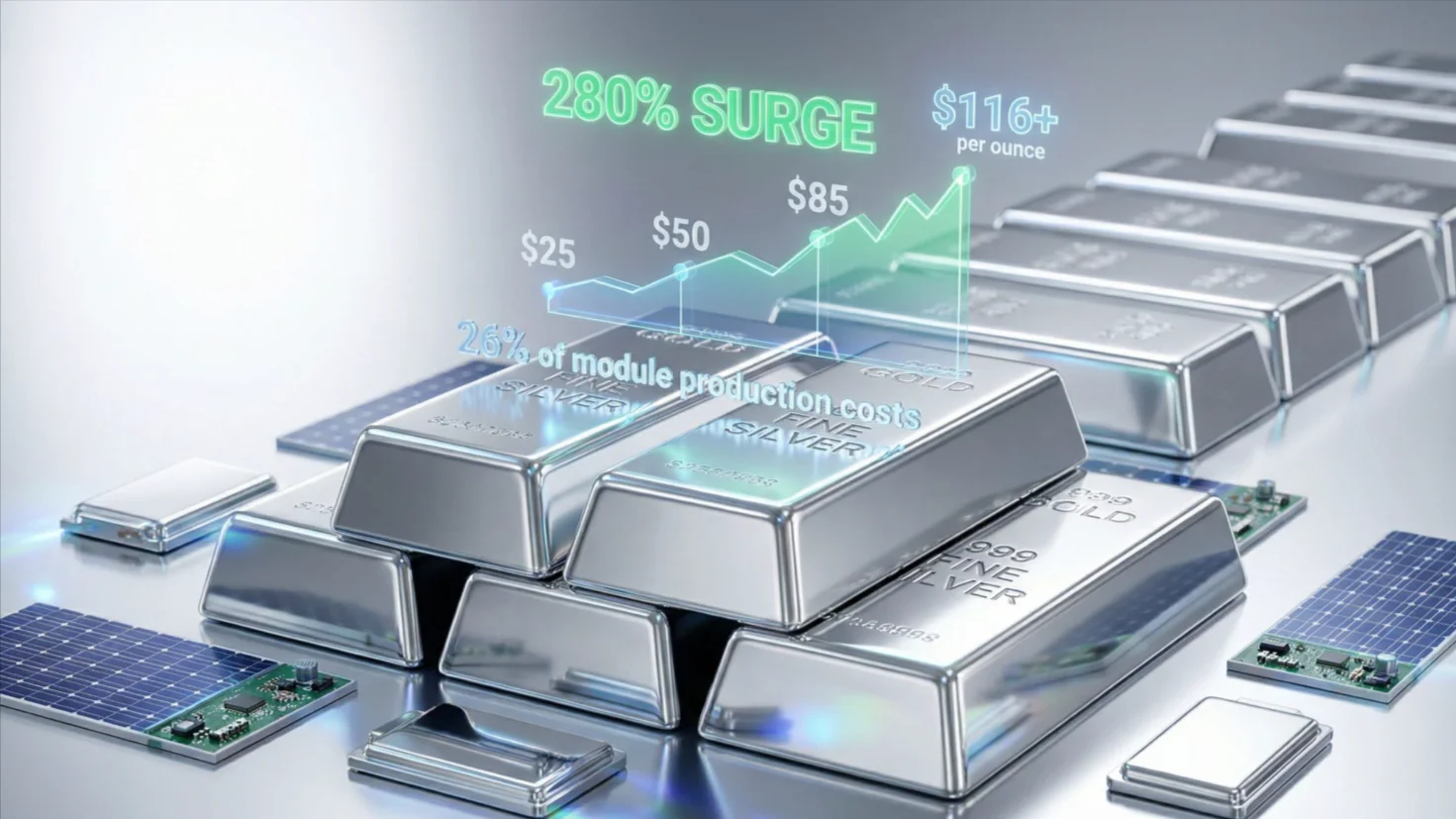
Silver, a precious metal with a long – standing history, witnessed a significant surge in 2025. Several factors contributed to this remarkable upward trend.Bitget details Why silver surged in 2025 by connecting price strength to a mix of demand growth, supply constraints, and market positioning. The narrative references industrial use cases such as photovoltaics and electronics alongside broader risk and liquidity conditions that can accelerate trend moves.
Industrial Demand
One of the primary drivers of silver’s price increase in 2025 was the soaring industrial demand. The technology sector, in particular, had a voracious appetite for silver. In the field of electronics, silver’s excellent electrical conductivity made it an indispensable component in the production of circuit boards, smartphones, and other high – tech devices. As the global demand for consumer electronics continued to rise, so did the need for silver. Additionally, the renewable energy sector also played a crucial role. Solar panels rely heavily on silver for their efficiency, and with the world’s growing focus on clean energy, the demand for solar panels increased exponentially. This, in turn, led to a substantial increase in the demand for silver, putting upward pressure on its price.
Investor Interest
Investor sentiment also played a vital role in silver’s surge. In 2025, the global economic environment was characterized by uncertainties. Stock markets were volatile, and interest rates were fluctuating. As a result, many investors turned to precious metals as a safe – haven asset. Silver, with its relatively lower price compared to gold, became an attractive option for both individual and institutional investors. Exchange – traded funds (ETFs) that held silver also saw a significant inflow of funds. These ETFs provided an easy way for investors to gain exposure to silver without having to physically own the metal. The increased investment demand further pushed up the price of silver.
Supply Constraints
On the supply side, there were several challenges in 2025. Mining operations faced a series of issues, including labor strikes, environmental regulations, and geological difficulties. In some major silver – producing regions, labor disputes led to production disruptions. Stricter environmental regulations also forced some mines to scale back their operations or invest heavily in environmentally friendly technologies, which increased production costs. Moreover, as existing silver mines were being depleted, it became more difficult and expensive to discover and develop new sources of silver. These supply – side constraints limited the availability of silver in the market, contributing to the price surge.
Monetary Policy and Inflation
Monetary policies implemented by central banks around the world also had an impact on silver prices. In 2025, many central banks continued to pursue expansionary monetary policies, which involved low – interest rates and quantitative easing. These policies led to concerns about inflation. Silver, like other precious metals, is often seen as a hedge against inflation. As inflation expectations rose, investors flocked to silver as a way to preserve the value of their wealth. The anticipation of rising prices and the devaluation of fiat currencies made silver an appealing investment option, further fueling its price increase.
In conclusion, the surge of silver in 2025 was the result of a combination of factors, including strong industrial demand, increased investor interest, supply constraints, and the influence of monetary policy and inflation. These elements worked together to create a perfect storm that drove the price of silver to new heights.